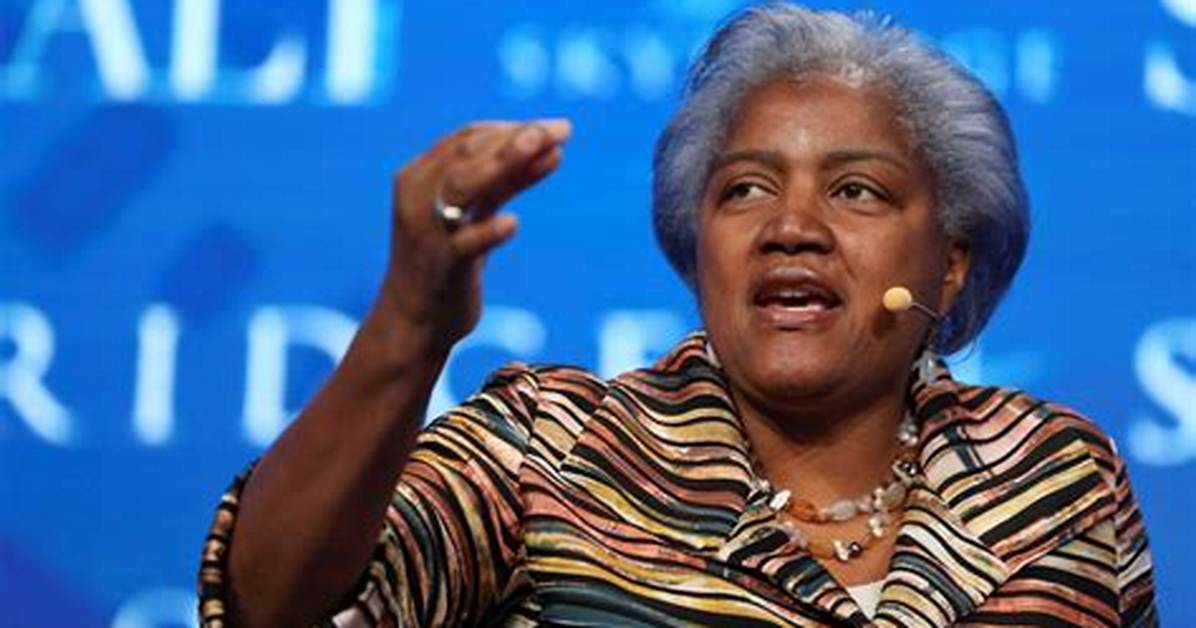
Donna Brazile is a name synonymous with determination, resilience, and excellence in the political arena. As a prominent political strategist and commentator, she has played a pivotal role in shaping the Democratic Party's strategies and policies over the years. With a career spanning decades, Brazile has not only broken barriers as an African American woman in politics but has also become a respected voice on issues affecting underrepresented communities. Her insights and expertise have made her a sought-after commentator on various national platforms, reflecting her unwavering commitment to social justice and equality.
The journey of Donna Brazile is a testament to her dedication and hard work. From her early days as a grassroots organizer to her groundbreaking achievements as the first African American woman to lead a major presidential campaign, Brazile has consistently demonstrated her ability to navigate the complexities of the political landscape. Her work has not only influenced electoral outcomes but has also inspired a new generation of leaders to engage in the political process. As we delve into her life and career, we will explore the milestones that have defined her path and the impact she continues to have on American politics.
In this article, we will take a closer look at the life of Donna Brazile, examining her biography, personal details, and key contributions to politics. We will also discuss the challenges she has faced, her advocacy for various causes, and her vision for the future of the Democratic Party. Join us as we celebrate the remarkable journey of a woman who has become a beacon of hope and progress in the political sphere.
What is Donna Brazile's Biography?
Donna Brazile was born on December 15, 1959, in New Orleans, Louisiana. She grew up in a working-class family and was greatly influenced by the civil rights movement. Her passion for politics emerged early on, leading her to become actively involved in various grassroots campaigns. Brazile's commitment to public service and her tenacity helped her rise through the ranks in the political arena.
Personal Details and Bio Data of Donna Brazile
| Detail | Information |
|---|---|
| Name | Donna Brazile |
| Date of Birth | December 15, 1959 |
| Birthplace | New Orleans, Louisiana |
| Education | Louisiana State University (LSU) |
| Profession | Political Strategist, Author, Commentator |
| Political Party | Democratic Party |
| Notable Achievements | First African American woman to lead a major presidential campaign |
How Did Donna Brazile Begin Her Political Career?
Donna Brazile's political career began in the late 1970s when she became involved in local campaigns in Louisiana. Her passion for politics was ignited by her experiences during the civil rights movement, which instilled in her a sense of responsibility to advocate for change. She quickly gained recognition for her ability to organize grassroots efforts and mobilize communities.
In 1984, Brazile joined the Democratic National Committee (DNC), where she worked as a political director. Her work at the DNC allowed her to hone her skills in campaign strategy and voter outreach. Over the years, she became a key figure in numerous presidential campaigns, including those of Al Gore and John Kerry. Brazile's strategic insights and ability to connect with voters helped shape the Democratic Party's platform and messaging.
What Challenges Did Donna Brazile Face in Her Career?
Throughout her career, Donna Brazile has faced various challenges, particularly as a woman of color in a male-dominated field. She has often encountered racial and gender biases that sought to undermine her credibility and expertise. Despite these obstacles, Brazile has remained steadfast in her commitment to advocating for marginalized communities and addressing systemic inequalities in the political system.
One of the most significant challenges Brazile faced was during the 2016 presidential election when she was embroiled in controversy over her role as a debate moderator and her connections to the Clinton campaign. Despite the criticism, she emerged from the experience stronger and more determined to fight for transparency and fairness in the electoral process.

