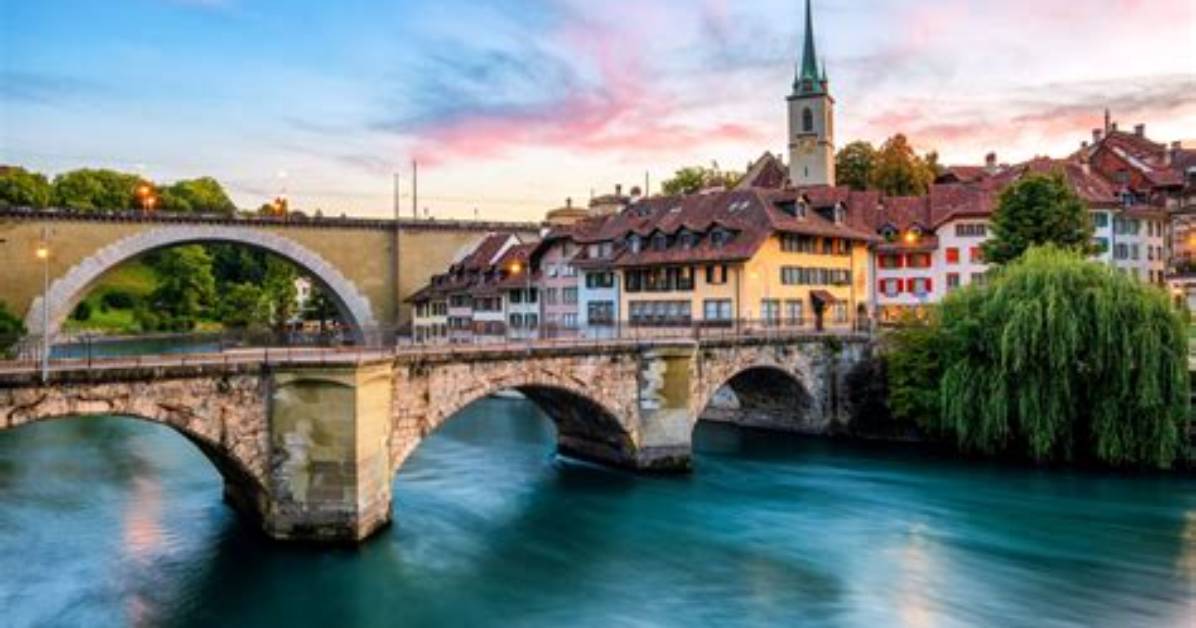
When people think of Switzerland, they often envision the picturesque landscapes, serene lakes, and the majestic Alps. However, one cannot ignore the importance of its capital city, Bern, which serves as the political and administrative heart of the nation. Nestled in the central part of Switzerland, Bern is not only a hub of governance but also a city rich in history and culture. This article delves into the various facets of Bern, highlighting its significance, attractions, and unique characteristics that make it stand out among other Swiss cities.
In this comprehensive guide, we will explore the historical background of Bern, its geographical significance, cultural landmarks, and what makes it a great place to visit or live. Whether you are a history enthusiast, a culture seeker, or simply planning a trip to Switzerland, this article will provide you with all the necessary insights about Bern.
Join us as we embark on a detailed journey through the capital city of Switzerland, uncovering its hidden gems and understanding why it holds a special place in the hearts of both locals and visitors alike.
History of Bern
Founded in 1191 by Duke Berthold V of Zähringen, Bern was established as a strategic settlement to oversee the surrounding territories. The city’s name is believed to have originated from the German word for bear, “Bär,” as the bear is a symbol of Bern.
Throughout its history, Bern has played a crucial role in Swiss politics, especially during the formation of the Swiss Confederation in the 13th century. The city became the federal city in 1848, solidifying its status as the capital of Switzerland. Today, Bern is recognized as a UNESCO World Heritage site, thanks to its well-preserved medieval architecture.
Key Historical Events
- 1191: Foundation of Bern by Duke Berthold V.
- 1353: Bern joins the Swiss Confederation.
- 1848: Bern becomes the federal city of Switzerland.
- 1983: UNESCO designates Bern as a World Heritage site.
Geography and Location
Bern is located in the western part of Switzerland, situated on a plateau above the Aare River. Its central location makes it easily accessible from various regions of the country. The city covers an area of approximately 51.6 square kilometers and has a population of around 133,000 people.
The geographical landscape of Bern is characterized by rolling hills, lush greenery, and the picturesque Aare River, which flows through the city, adding to its charm. The climate in Bern is temperate, with warm summers and cool winters, making it an enjoyable destination year-round.

