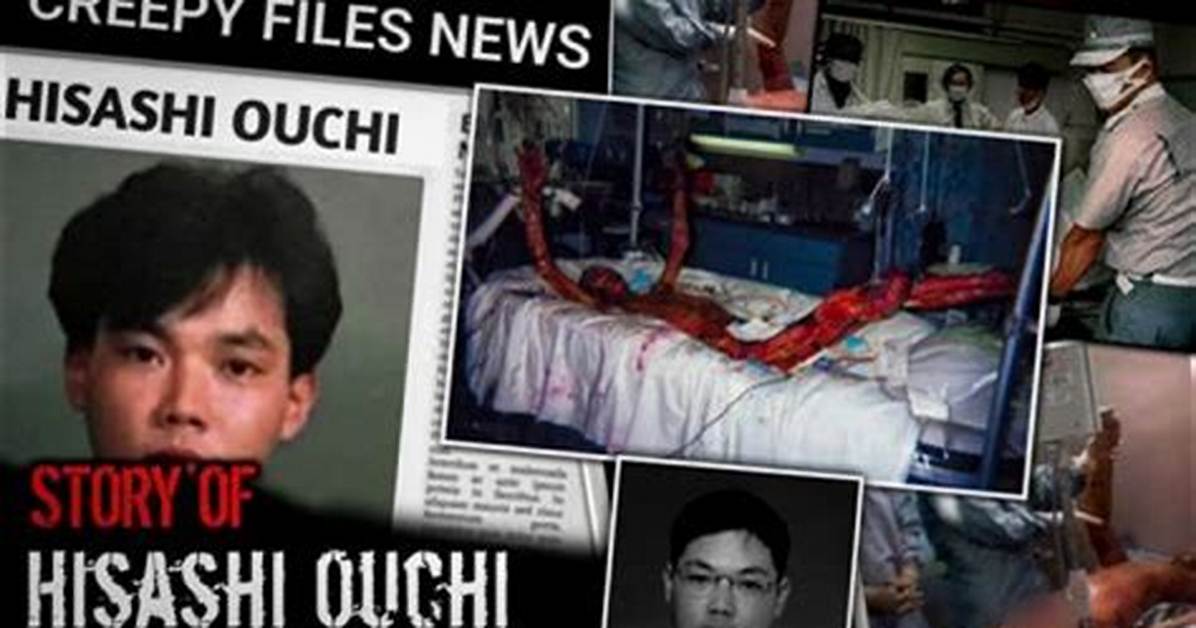
The story of Hisashi Ouchi is one that evokes a mix of horror and deep compassion. A victim of one of the most catastrophic nuclear accidents in history, Ouchi's body became a symbol of the devastating consequences of human error and industrial negligence. His struggle for survival and the profound impact of his injuries have left an indelible mark on nuclear safety protocols and public consciousness. In examining Hisashi Ouchi's body, we delve into not only the physical ramifications of radiation exposure but also the emotional and ethical questions that surround such tragic events.
Hisashi Ouchi's life was tragically cut short due to a series of unfortunate incidents that occurred at the Tokaimura nuclear power plant in Japan in 1999. His experience raises critical discussions about workplace safety, the handling of hazardous materials, and the human cost of technological advancement. As we explore the details of Ouchi's ordeal, we learn that his story is not merely about an accident; it is a cautionary tale about the importance of vigilance in the nuclear industry. Understanding Hisashi Ouchi's body is essential to grasping the broader implications of his tragic fate.
In this article, we will dive deeper into the life of Hisashi Ouchi, the events that led to his exposure to lethal doses of radiation, and the subsequent medical interventions that followed. We will also explore the impact of his story on nuclear policy and public perception of radiation safety. Join us as we uncover the layers of Hisashi Ouchi's narrative, shedding light on the human side of a tragedy that should never be forgotten.
Who Was Hisashi Ouchi?
Hisashi Ouchi was a 35-year-old nuclear plant worker who became famous, or rather infamous, due to the catastrophic accident that occurred at the Tokaimura plant. Born in 1964, he led a life that many can relate to – working hard for his family and contributing to society. However, his life would take a tragic turn due to a series of human errors and lack of safety protocols at the plant.
What Happened at Tokaimura?
The tragic events that befell Ouchi occurred on September 30, 1999. A criticality accident took place during the improper handling of uranium. Workers, including Ouchi, unknowingly caused a chain reaction that released a significant amount of radiation into the environment.
How Did Hisashi Ouchi's Body React to Radiation Exposure?
Hisashi Ouchi was exposed to an estimated 17 sieverts of radiation, a dose far exceeding the lethal limit for humans. The immediate effects on his body were catastrophic. Symptoms included severe burns, organ failure, and radiation sickness. Hisashi Ouchi's body became a site of medical tragedy, as doctors struggled to manage his overwhelming injuries.
What Were the Medical Interventions for Hisashi Ouchi?
The medical response to Ouchi's condition was extensive and tragically inadequate. He was initially treated at a local hospital but was later transferred to the University of Tokyo Hospital, where he received advanced care. Despite these efforts, his prognosis remained grim. Ouchi's body faced multiple organ failures, and he was severely affected by the radiation burns.
- First-degree burns on the skin
- Severe gastrointestinal damage
- Neurological impacts resulting from radiation exposure
- Infection due to compromised immune system
What Impact Did Hisashi Ouchi's Case Have on Nuclear Safety?
The case of Hisashi Ouchi triggered a wave of discussions surrounding nuclear safety protocols in Japan and worldwide. Following the incident, the Japanese government implemented stricter regulations and safety measures to prevent similar accidents from occurring in the future. The tragedy of Ouchi's body became a rallying point for advocates of nuclear safety, urging for transparency and accountability in the industry.
What Can We Learn from Hisashi Ouchi's Story?
Hisashi Ouchi's story serves as a poignant reminder of the human cost of technological advancements. It highlights the importance of safety protocols, proper training, and the need for a culture of safety within industries that handle hazardous materials. The tragedy also raises ethical questions about the responsibilities of corporations and governments in protecting their workers.

