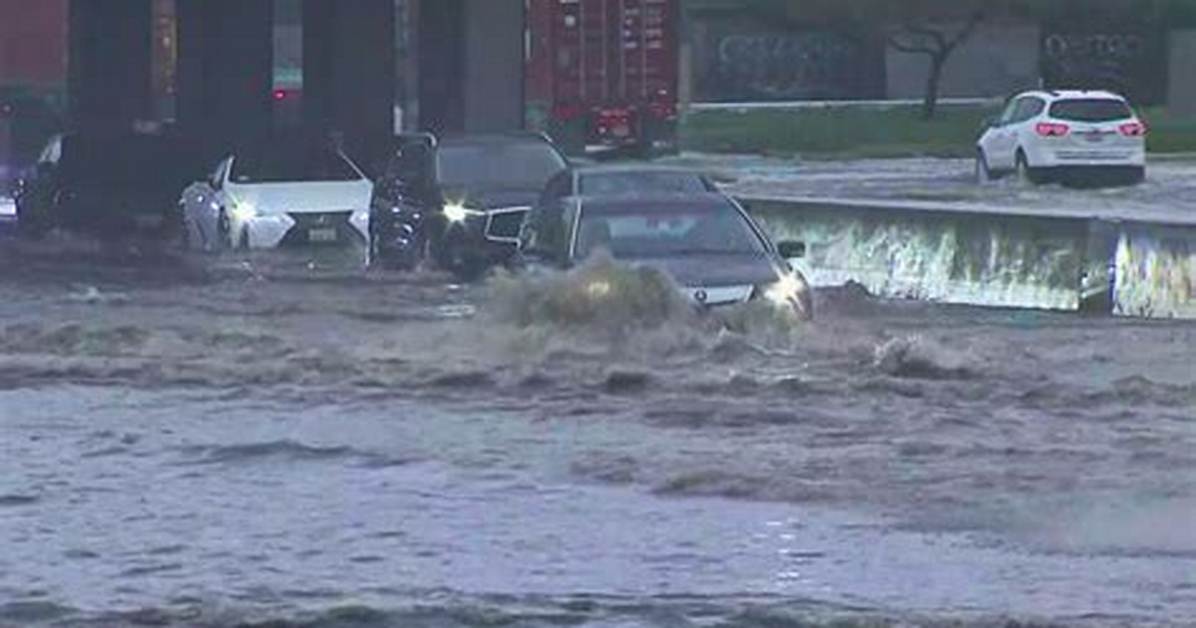
The recent flooding on the 710 freeway has left many residents and commuters in a state of shock and concern. This vital transportation artery, which connects key areas of Southern California, has faced unprecedented challenges due to heavy rainfall and inadequate drainage systems. As a result, traffic disruptions and safety hazards have ensued, prompting questions about the future of infrastructure in flood-prone regions. The implications of such incidents extend beyond mere inconvenience, affecting the daily lives of countless individuals and the overall economy.
The flooding on the 710 freeway not only highlights the immediate dangers posed by severe weather events but also raises critical discussions around urban planning and emergency preparedness. As the climate continues to change, cities must adapt to increasingly frequent and severe weather patterns. The incidents on the freeway serve as a wake-up call for local governments and agencies to reevaluate their strategies for managing stormwater and protecting essential travel routes.
In this article, we will explore the causes and consequences of the 710 freeway flooding, the measures being taken to address the situation, and what it means for the future of transportation in Southern California. By examining these aspects, we aim to provide a comprehensive understanding of the challenges that accompany such natural events and the collective responsibility we share in building resilient communities.
What Caused the 710 Freeway Flooding?
The flooding on the 710 freeway can be attributed to a combination of factors, including heavy rainfall, urbanization, and a lack of effective drainage systems. When severe storms hit the area, the sheer volume of water can overwhelm existing infrastructure, leading to significant pooling and flooding. Additionally, the urban landscape, characterized by concrete surfaces and limited green spaces, exacerbates runoff and prevents natural absorption.
How Does Urbanization Contribute to Flooding?
Urbanization plays a critical role in the increased flooding risk along the 710 freeway. As cities expand, natural landscapes are replaced with impervious surfaces like roads and buildings, which do not allow water to penetrate the ground. This leads to a rapid increase in runoff during rainstorms, placing additional strain on drainage systems that are often ill-equipped to handle such volumes.
What Are the Immediate Impacts of the 710 Freeway Flooding?
The immediate impacts of the flooding on the 710 freeway are felt by commuters and local businesses alike. Some of the key consequences include:
- Traffic delays and detours, causing frustration among drivers.
- Increased risk of accidents due to slippery conditions and reduced visibility.
- Economic losses for businesses reliant on steady traffic flow.
- Emergency responses straining local resources as crews work to clear the flooded areas.
What Measures Are Being Taken to Address the Flooding?
In response to the flooding on the 710 freeway, local authorities have implemented several emergency measures aimed at mitigating the immediate impacts and preventing future incidents. These measures include:
- Rapid deployment of pumps to remove standing water from the freeway.
- Increased inspections of drainage systems to identify and address potential blockages.
- Collaboration with meteorological agencies to improve forecasts and alerts for severe weather.
- Public awareness campaigns to educate residents on flood preparedness and safety.
How Can Urban Planning Help Prevent Future Flooding?
Long-term solutions to the flooding issues along the 710 freeway must involve thoughtful urban planning and infrastructure investment. Some strategies that can be employed include:
- Enhancing green spaces and permeable surfaces to promote natural water absorption.
- Upgrading drainage systems to accommodate higher volumes of runoff.
- Implementing sustainable stormwater management practices.
- Engaging in community planning efforts that prioritize flood resilience.
What Role Do Residents Play in Flood Preparedness?
Residents also have a crucial role in flood preparedness and response. By staying informed about local weather conditions, understanding evacuation routes, and participating in community safety initiatives, individuals can contribute to a collective resilience against flooding. Here are some ways residents can be proactive:
- Sign up for local emergency alerts to receive timely information during severe weather events.
- Develop an emergency plan with family members that includes communication and evacuation strategies.
- Participate in community meetings focused on flood prevention and emergency preparedness.
- Take personal responsibility for maintaining storm drains and reporting blockages to local authorities.

