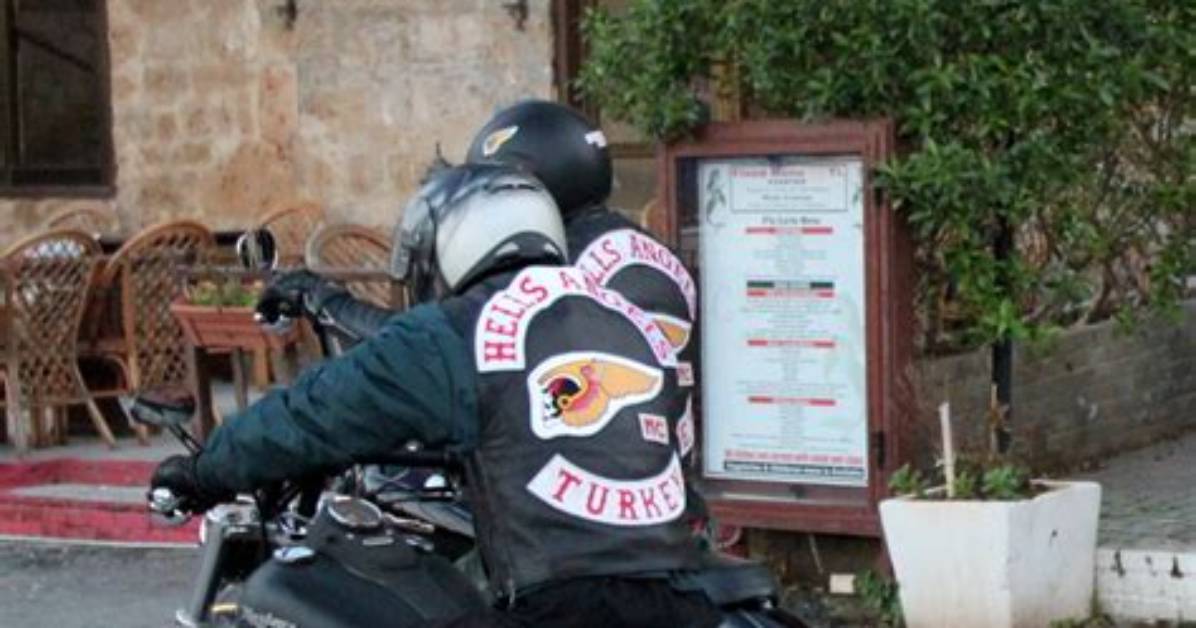
The Hells Angels motorcycle club has a reputation that precedes it, shrouded in mystery and often associated with rebellion, camaraderie, and a lifestyle that many find enticing yet intimidating. In Turkey, this international organization has made its mark, reflecting a unique blend of global motorcycle culture and local Turkish influences. As we delve into the world of Hells Angels Turkey, we will explore the club's history, its influence in the region, and the lifestyle of its members.
Understanding the dynamics of Hells Angels Turkey requires a glimpse into the broader picture of motorcycle clubs in Turkey. The country, with its diverse culture and rich history, has been a melting pot for various lifestyles, including the motorcycle subculture. The presence of Hells Angels in this region signifies not only the expansion of this infamous club but also the adaptation of its values and ethos within the Turkish context. This article aims to provide an in-depth look at this phenomenon, inviting readers to engage with the complexities of this biker lifestyle.
As we navigate through the layers of Hells Angels Turkey, it’s essential to recognize the various factors that contribute to its allure. From the camaraderie shared among members to the thrill of riding on Turkey’s scenic roads, the club represents freedom and rebellion against societal norms. However, it also faces challenges, including legal issues and public perception. Join us as we uncover the stories behind Hells Angels Turkey and what it truly means to be part of this iconic motorcycle club.
What is the History of Hells Angels Turkey?
The history of Hells Angels Turkey is intertwined with the larger narrative of the Hells Angels as a global organization. Established in the mid-20th century in the United States, the club expanded its reach over the decades, with chapters forming in various countries. The Turkish chapter emerged as part of this expansion, bringing with it the ethos of brotherhood and a love for motorcycles.
How Has Hells Angels Turkey Evolved Over Time?
Since its inception, Hells Angels Turkey has undergone significant transformations. Initially, the club was perceived through the lens of Western motorcycle culture, but as it established roots in Turkey, it began to integrate local customs and practices. This evolution is marked by a growing membership base that reflects the diverse demographics of Turkey, from urban professionals to rural riders.
What Are the Key Characteristics of Hells Angels Turkey?
- Brotherhood: The bonds formed among members are often described as familial, with a shared commitment to support one another.
- Riding Culture: The love for motorcycles is at the heart of Hells Angels Turkey, with members often participating in rallies and long-distance rides.
- Rebellion: The club embodies a spirit of defiance against societal norms, which resonates with many of its members.
- Community Engagement: Despite its tough image, Hells Angels Turkey often engages in charitable activities, showcasing a different side of the club.
Who Are the Prominent Figures in Hells Angels Turkey?
The club has had its share of influential figures who have played pivotal roles in shaping its identity in Turkey. These individuals often embody the spirit of the Hells Angels, with their personal stories reflecting the values of loyalty and freedom.
What Are the Legal Challenges Faced by Hells Angels Turkey?
Like many motorcycle clubs worldwide, Hells Angels Turkey has encountered legal scrutiny. Law enforcement agencies often view such organizations with suspicion, leading to raids and legal battles. These challenges have spurred discussions about the rights of motorcycle clubs and their place in society.
How Does Hells Angels Turkey Influence Local Culture?
The presence of Hells Angels in Turkey has had a noteworthy impact on local culture. The club has contributed to the popularization of motorcycle culture, inspiring a new generation of riders. Additionally, it has influenced fashion and lifestyle trends, with elements of the biker aesthetic becoming mainstream.

