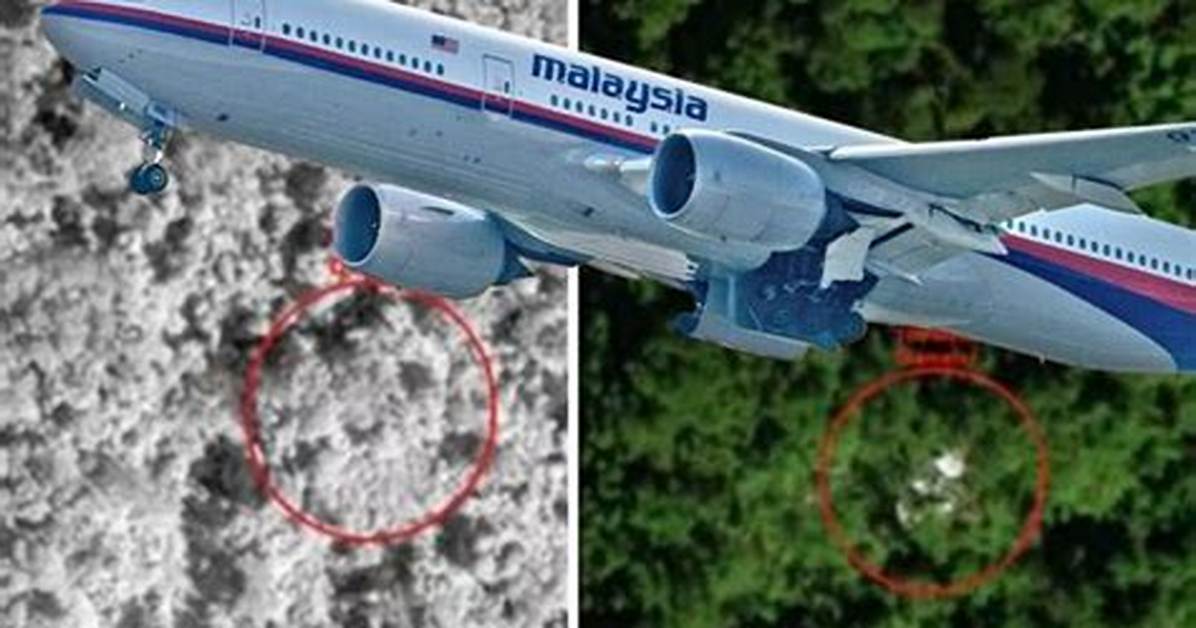
The disappearance of Malaysia Airlines Flight MH370 remains one of the greatest aviation mysteries of our time. Despite extensive search efforts across vast expanses of the Indian Ocean, the wreckage of this ill-fated flight had evaded discovery for years. However, recent developments have sparked renewed hope among investigators and families alike, as reports emerge suggesting that MH370 may have been located deep within a jungle. The implications of such a find are monumental, not just for the families seeking closure, but also for aviation safety and global search operations.
In this article, we will explore the details surrounding the alleged discovery of MH370 in the jungle. We will delve into the theories that have emerged, the potential for new evidence, and what this means for the ongoing investigation. As we journey through this complex narrative, we invite you to join us in piecing together the fragments of a story that has puzzled the world.
As new information comes to light, the question of whether MH370 truly has been found in the jungle continues to resonate. This is not merely a tale of a lost plane; it is a story of human resilience, hope, and the relentless quest for truth amidst uncertainty. In the following sections, we will address key questions that arise from this extraordinary development.
What Happened to MH370?
The mystery of MH370 began on March 8, 2014, when the Boeing 777 disappeared from radar while flying from Kuala Lumpur to Beijing. With 239 people on board, the flight sparked one of the largest search operations in aviation history. Despite years of searching, only a few pieces of debris were found scattered across the Indian Ocean, leading to endless speculation and various theories about the flight's fate.
Could MH370 Really Be in the Jungle?
Recent reports suggest that new evidence points to the possibility of MH370 being found not in the ocean, but rather in a dense jungle. This claim has sent shockwaves through the aviation community and prompted a reevaluation of search strategies. While these claims are still under investigation, they have reignited interest in the case.
How Did the Jungle Theory Emerge?
The jungle theory emerged from a combination of eyewitness accounts and satellite data that indicated a flight path different from the one initially assumed. Some researchers have analyzed patterns and proposed that the aircraft may have turned back before its disappearance, potentially leading it to a remote jungle area. This theory, while controversial, has gained traction among some aviation experts.
What Evidence Supports the Jungle Location?
While concrete evidence is still lacking, several factors support the hypothesis of MH370 being in the jungle. Notable among them are:
- Eyewitness reports of a low-flying aircraft in the region around the time of disappearance.
- New analyses of satellite communications that suggest it may have taken an alternate route.
- Improved technology that allows for better scanning of remote areas.
What Would Finding MH370 in the Jungle Mean?
Finding MH370 in the jungle would have profound implications. It would not only bring closure to the families of those on board but would also provide critical insights into what happened during the flight. Understanding the circumstances surrounding the crash could lead to advancements in aviation safety and emergency protocols.
Could This Change Future Search Operations?
The prospect of locating MH370 in a jungle environment could revolutionize how future searches are conducted. If the plane can be found in a more accessible location, it may prompt agencies to reconsider their search methodologies for similar cases in the future. The integration of technology, local knowledge, and international cooperation could be key factors in enhancing search and recovery efforts.

