In the realm of mythology, few figures are as enigmatic and multifaceted as Hades, the Greek god of the underworld. Often misunderstood, Hades is not merely a representation of death; he embodies a complex domain of the afterlife that has intrigued scholars, writers, and dreamers for centuries. His various names and titles reflect his diverse roles and attributes, each unveiling a different layer of his character and significance in ancient Greek culture.
As we delve into the different names for Hades, we will explore his origins, his portrayal in literature, and the cultural implications of his various identities. Understanding these names not only enriches our knowledge of Greek mythology but also sheds light on how ancient civilizations perceived life, death, and the afterlife. From the depths of the underworld to the grandeur of the divine, Hades has been known by many names, each carrying its own weight and meaning in the annals of myth.
Join us on this journey as we uncover the different names for Hades, the stories behind them, and their significance in the broader tapestry of mythology. Whether you are a seasoned scholar of mythology or a curious newcomer, this exploration promises to illuminate the many facets of one of history's most intriguing deities.
What are the Origins of Hades?
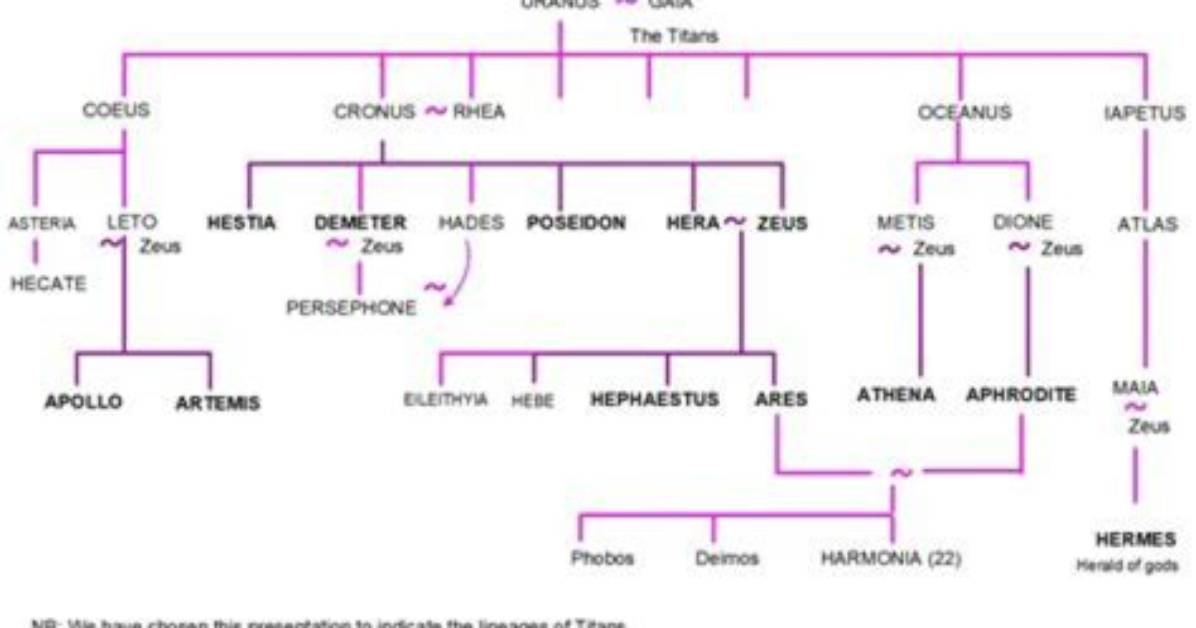
Hades, the son of Cronus and Rhea, was one of the original Olympian gods. In Greek mythology, he played a crucial role in the establishment of the world as we know it. After the overthrow of their father, Cronus, Hades, along with his brothers Zeus and Poseidon, divided the realms among themselves. Hades became the ruler of the underworld, a domain that was as essential to life as the sky and the sea. This division of power established a hierarchy among the gods, with Hades overseeing the afterlife, ensuring that souls were judged and assigned their eternal resting places.
What are Some of the Different Names for Hades?
Hades is known by several names, each reflecting different aspects of his character and responsibilities. Here are some of the most notable names and their meanings:
- Pluto: This name, derived from the Latin word 'plutō', means 'wealth'. It reflects Hades' role as the god of the riches hidden beneath the earth, including precious metals and fertile soil.
- Dis Pater: In Roman mythology, Hades was often referred to as Dis Pater, which translates to 'Rich Father', further emphasizing his association with wealth.
- God of the Dead: This title underscores his primary duty as the ruler of the underworld and the overseer of the deceased.
- King of the Underworld: This name signifies his position as the ultimate authority in the realm of the dead.
- Hades the Unseen: This name highlights his elusive nature and the mystery surrounding the underworld.
Why is Hades Often Misunderstood?
Many people conflate Hades with evil or malevolence due to his association with death. However, such interpretations overlook the complexity of his character and role in mythology. Hades was not considered evil; rather, he was a necessary part of the cosmic order. His domain ensured that souls were cared for and that life continued in a cyclical pattern. Understanding Hades requires a nuanced perspective that acknowledges both his fearsome reputation and his vital role in the balance of life and death.
How Do Different Cultures View Hades?
The perception of Hades varies across cultures, with some viewing him favorably and others with fear. In ancient Greek society, Hades was not just a god to be feared; he was also respected as a part of life. In contrast, some later interpretations, particularly during the Renaissance, depicted him as a more sinister figure. This shift illustrates how cultural context can influence the representation of mythological figures.
What Are Other Names for Hades in Different Mythologies?
While Hades is a distinctly Greek figure, other mythologies feature similar deities with varying names and attributes. For example:
- Osiris: In Egyptian mythology, Osiris is the god of the afterlife, overseeing the dead and their journey through the underworld.
- Yama: In Hindu mythology, Yama is the god of death and the ruler of the underworld, responsible for the souls of the deceased.
- Mictlantecuhtli: In Aztec mythology, Mictlantecuhtli is the god of the dead, ruling over the underworld known as Mictlan.
How Does Modern Culture Interpret Hades?
In contemporary culture, Hades has been reimagined in various forms of media, from literature to film and video games. He is often portrayed as a complex antagonist or an antihero, reflecting the changing perceptions of death and the afterlife. Works like "Percy Jackson" and Disney's "Hercules" depict Hades with a blend of humor and darkness, showcasing the duality of his character. This modern interpretation highlights the ongoing fascination with Hades and the different names for Hades that have evolved over time.

