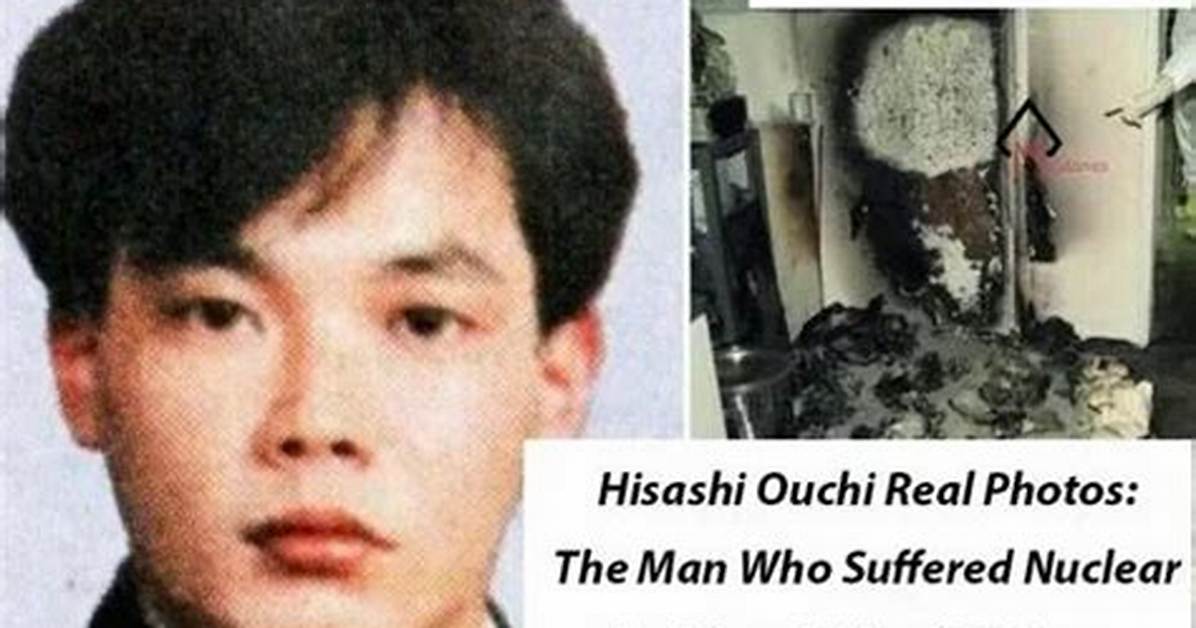
Hisashi Ouchi's story is one that evokes a whirlwind of emotions, encompassing tragedy, resilience, and the human spirit's capacity to endure. The infamous incident at the Tokaimura nuclear facility in Japan in 1999 not only changed the course of nuclear safety regulations but also left an indelible mark on the lives of those involved. Hisashi Ouchi became a symbol of the catastrophic consequences of nuclear accidents, his name synonymous with both suffering and the quest for justice.
Amidst the discussions surrounding nuclear energy, safety protocols, and the aftermath of human error, the images of Hisashi Ouchi often emerge, igniting a mixture of empathy and curiosity. These pictures, while a stark reminder of his tragic fate, also serve as a call to reflect on the broader implications of technological advancements in our society. As we delve deeper into Ouchi's life, his story unfolds, revealing layers of complexity and the human experience within the context of a grave disaster.
In this article, we will explore the life of Hisashi Ouchi, examining his biography, the events leading to the incident, and the lasting impact it has had on nuclear safety and public perception. We will also discuss the significance of the "Hisashi Ouchi picture," both as a representation of his suffering and as a catalyst for change in nuclear policies. Join us on this journey as we uncover the truth behind Hisashi Ouchi's life and legacy.
Who Was Hisashi Ouchi?
Born in Japan, Hisashi Ouchi was a nuclear technician whose life changed forever on September 30, 1999. He was working at the Tokaimura nuclear facility when a criticality accident occurred, leading to one of the most severe nuclear accidents in Japan's history. Ouchi, alongside two co-workers, was exposed to an enormous amount of radiation, resulting in catastrophic health consequences for all involved. The incident highlighted the need for stringent safety measures and protocols in nuclear facilities.
What Happened During the Tokaimura Nuclear Accident?
The Tokaimura nuclear accident was the result of a series of critical mistakes and negligence in safety practices. Ouchi and his colleagues were attempting to create a nuclear fuel mixture using uranium and nitric acid, but they used an improper method that caused a criticality, leading to a massive release of radiation. This event not only endangered the lives of the workers but also raised concerns about the safety regulations in place at nuclear facilities across Japan.
What Were the Immediate Effects on Hisashi Ouchi?
The immediate effects of the radiation exposure were devastating for Hisashi Ouchi. He suffered severe burns, radiation sickness, and organ failure. His condition deteriorated rapidly, leading to agonizing days in the hospital where he underwent numerous treatments to alleviate his suffering. The medical staff faced significant challenges in treating Ouchi’s injuries, as the extent of radiation damage was unprecedented. Hisashi Ouchi's picture during this time became a symbol of the tragic consequences of the accident, raising awareness about the risks associated with nuclear energy.
What Does Hisashi Ouchi’s Picture Represent?
The "Hisashi Ouchi picture" has become emblematic of the dire consequences of nuclear mishaps. It encapsulates the horror of human suffering in the face of technological failures and the urgent need for improved safety measures in nuclear energy production. The images serve as a stark reminder of the fragility of life and the responsibilities that come with harnessing powerful technologies.
What Changes Were Implemented Following the Incident?
- Enhanced safety protocols in nuclear facilities
- Implementation of stricter training and supervision for workers
- Regular safety drills and emergency response simulations
- Increased public transparency regarding nuclear operations
In the aftermath of the Tokaimura accident, the Japanese government and nuclear regulatory authorities took significant steps to reform the nuclear industry. These changes were aimed at preventing similar incidents and ensuring the safety of workers and the surrounding communities. The tragic fate of Hisashi Ouchi became a catalyst for these reforms, emphasizing the urgency of addressing safety concerns in nuclear energy production.
What Impact Did Hisashi Ouchi’s Story Have on Public Perception of Nuclear Energy?
Hisashi Ouchi's story became a focal point in the debate over nuclear energy. The public's perception of nuclear power shifted dramatically after the incident, leading to increased skepticism and fear surrounding its safety. Advocacy groups and concerned citizens began to question the efficacy of nuclear energy as a sustainable alternative, citing the risks associated with its use. The images of Ouchi, a man caught in a tragic accident, served as a powerful visual representation of these concerns, prompting discussions about ethical considerations in energy production.

